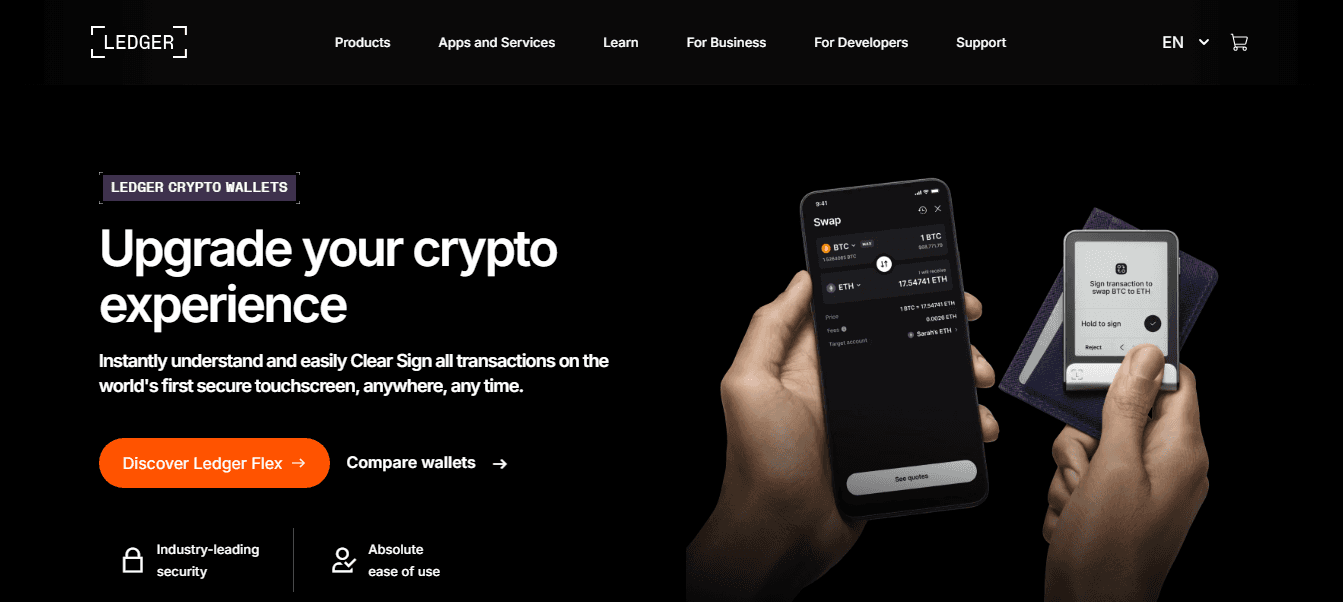
Introduction to Ledger Login
As cryptocurrencies continue to gain global adoption, securing digital assets has become more important than ever. Unlike traditional financial systems that rely on usernames and passwords, cryptocurrency security depends on private keys and hardware-based authentication. Ledger login represents a secure method of accessing cryptocurrency accounts using Ledger hardware wallets combined with the Ledger software interface.
Ledger login is not a conventional login system where users enter an email and password. Instead, it relies on cryptographic verification through a physical device, ensuring that only the rightful owner can access and manage digital assets. This approach significantly reduces the risk of hacking, phishing, and unauthorized access.
This guide explains what Ledger login is, how it works, how to log in securely, and the best practices to protect your crypto assets.
What Is Ledger Login?
Ledger login refers to the process of securely accessing cryptocurrency accounts using a Ledger hardware wallet and the Ledger software interface. Rather than logging in with credentials stored online, Ledger requires physical device verification before granting access.
Your private keys are generated and stored within the Ledger hardware wallet and never leave the device. When you log in, the device confirms your identity by verifying cryptographic signatures, ensuring maximum protection against online threats.
Ledger login is commonly used to:
Access crypto balances
Approve transactions
Manage digital assets
Interact with supported blockchain networks
Securely verify ownership of funds
How Ledger Login Works
Ledger login is built around the principle of offline private key storage. Here’s how the process works step by step:
Hardware Wallet Connection
The user connects their Ledger device to a computer or mobile device using USB or Bluetooth, depending on the model.PIN Verification
The Ledger device prompts the user to enter a PIN directly on the hardware wallet. This ensures that even if the connected device is compromised, access remains secure.Application Access
After unlocking the device, the user opens the Ledger software interface, which detects the connected hardware wallet.Cryptographic Authentication
Ledger uses cryptographic proof to verify ownership without exposing private keys. No sensitive data is transmitted online.Account Access Granted
Once verified, the user can view balances, manage accounts, and authorize transactions.
This login process ensures that access is impossible without physical possession of the Ledger device.
Why Ledger Login Is More Secure Than Traditional Logins
Traditional login systems rely on usernames, passwords, and sometimes two-factor authentication. While these methods offer basic protection, they remain vulnerable to phishing, malware, and data breaches.
Ledger login provides superior security due to:
No stored online credentials
Offline private key storage
Physical confirmation of every action
Resistance to phishing attacks
Immunity to keyloggers
Even if your computer or phone is infected with malware, attackers cannot access your crypto without the physical Ledger device and PIN.
Steps to Log In Using a Ledger Device
Here is a general overview of how to complete a Ledger login securely:
Power on your Ledger hardware wallet
Enter your PIN code directly on the device
Connect the device to your computer or mobile device
Open the Ledger software interface
Select the appropriate account or blockchain app
Confirm access when prompted
Once logged in, you can manage assets, approve transactions, or monitor portfolio performance.
Ledger Login on Desktop vs Mobile
Ledger login works on both desktop and mobile environments, though the experience varies slightly.
Desktop Login:
Requires USB connection
Offers full portfolio management features
Ideal for long sessions and advanced users
Mobile Login:
Uses Bluetooth on compatible devices
Convenient for quick access and monitoring
Ideal for users who need mobility
Both options maintain the same high level of security, as private keys always remain on the hardware wallet.
Common Ledger Login Issues and Solutions
Although Ledger login is highly reliable, users may occasionally encounter issues. Here are common problems and how to resolve them:
Device Not Detected
Ensure the cable or Bluetooth connection is stable
Unlock the device with the correct PIN
Restart both the device and software
Incorrect PIN
Double-check the PIN before entering
Avoid repeated incorrect attempts to prevent device reset
Application Not Opening
Make sure the correct blockchain app is installed on the device
Update the device firmware if required
Connection Timeout
Reconnect the device
Close unnecessary applications that may interfere
Most issues are temporary and can be resolved with basic troubleshooting.
Best Practices for Secure Ledger Login
To maximize safety while using Ledger login, follow these best practices:
Never share your PIN with anyone
Store your recovery phrase offline in a secure location
Avoid logging in on public or shared computers
Always verify transaction details on the hardware screen
Keep your device firmware updated
Do not photograph or digitally store your recovery phrase
Ledger login is only as secure as the user’s habits. Practicing good security hygiene is essential.
Ledger Login and Recovery Phrase Importance
During setup, Ledger generates a recovery phrase, usually consisting of 24 words. This phrase is the only backup for your wallet.
If your device is lost, damaged, or reset, the recovery phrase allows you to restore access to your accounts. Without it, funds cannot be recovered.
Ledger login does not store recovery phrases online, reinforcing the importance of secure offline storage.
Is Ledger Login Suitable for Beginners?
Yes, Ledger login is designed to be beginner-friendly while maintaining enterprise-level security. The guided setup process, clear on-device instructions, and simple interface make it accessible even for users new to cryptocurrency.
At the same time, advanced users benefit from:
Multi-account management
Support for numerous blockchains
High security for long-term storage
Ledger login strikes a balance between usability and protection.
Ledger Login vs Exchange Login
Many users keep assets on centralized exchanges that require email and password logins. Compared to this, Ledger login offers:
Full ownership of private keys
No reliance on third-party platforms
Reduced risk of exchange hacks
Greater control over funds
Ledger login is ideal for users who prioritize security and self-custody.
Conclusion
Ledger login represents one of the most secure ways to access and manage cryptocurrency assets. By eliminating traditional login credentials and relying on hardware-based authentication, it offers unmatched protection against online threats.
With offline private key storage, physical confirmation requirements, and cryptographic verification, Ledger login ensures that only the rightful owner can access digital funds. Whether you are a beginner seeking safety or an experienced investor managing multiple assets, Ledger login provides a reliable and secure solution.
Understanding how Ledger login works and following best security practices can help protect your crypto assets for years to come.