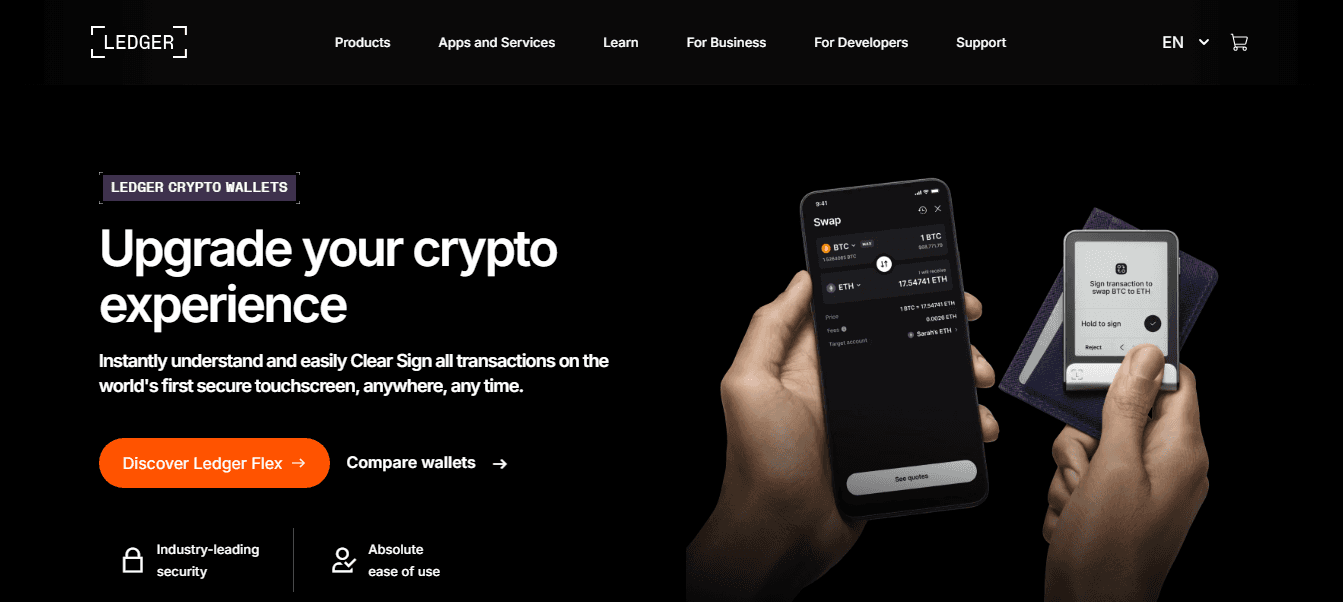
Introduction to Ledger Login
As digital currencies become an essential part of modern finance, protecting cryptocurrency holdings has become a top priority for users worldwide. Unlike traditional banking systems that rely on centralized logins, cryptocurrency management requires advanced security methods to protect funds from unauthorized access. Ledger login is designed to meet this need by offering a highly secure way to access and manage crypto assets using a hardware-based authentication system.
Ledger login does not function like a typical username-and-password system. Instead, it uses a physical Ledger hardware wallet combined with cryptographic verification to ensure only the rightful owner can access their digital assets. This approach minimizes exposure to online threats and provides peace of mind for both new and experienced crypto users.
This guide explains what Ledger login is, how it works, its security benefits, and how users can safely log in and manage their cryptocurrency accounts.
What Is Ledger Login?
Ledger login refers to the secure authentication process that allows users to access their cryptocurrency accounts through a Ledger hardware wallet. The login process relies on physical device verification rather than online credentials. This means there are no stored passwords, usernames, or centralized databases that hackers can exploit.
Your private keys are created and stored inside the Ledger hardware wallet and never leave the device. When you log in, the Ledger device proves ownership through cryptographic signatures without exposing sensitive information. This ensures maximum protection against hacking attempts, phishing scams, and malware attacks.
Ledger login is essential for:
Viewing cryptocurrency balances
Managing multiple crypto accounts
Approving transactions securely
Interacting with supported blockchain networks
Maintaining full control over digital assets
How Ledger Login Works
The Ledger login process is built around offline security and user verification. Below is a simplified explanation of how it functions:
Device Connection
The Ledger hardware wallet is connected to a computer or mobile device using a USB cable or Bluetooth, depending on the model.PIN Code Verification
The user enters a PIN directly on the Ledger device. This step ensures that even if the connected device is compromised, unauthorized access is blocked.Secure Authentication
The Ledger software detects the unlocked device and verifies its authenticity through encrypted communication.Account Access
Once authenticated, the user can access wallet accounts, check balances, and manage crypto assets.Transaction Authorization
Any transaction must be confirmed physically on the Ledger device, preventing remote manipulation.
This multi-layered process ensures that access is only possible with physical possession of the device.
Why Ledger Login Is Highly Secure
Ledger login is considered one of the safest authentication methods in the cryptocurrency ecosystem. Its security advantages include:
Offline Private Key Storage
Private keys never touch the internet, eliminating the risk of online theft.No Password Dependency
There are no login credentials that can be stolen through phishing or data breaches.Physical Confirmation
All actions require manual approval on the device.Protection Against Malware
Even if a computer is infected, attackers cannot access funds without the Ledger device.Decentralized Control
Users retain full ownership of their assets without relying on third-party platforms.
These features make Ledger login a trusted solution for long-term asset security.
Steps to Log In Using Ledger
Logging in with a Ledger device is straightforward and user-friendly. Below is a general overview of the process:
Power on the Ledger hardware wallet
Enter the correct PIN on the device
Connect the device to your computer or mobile phone
Open the Ledger-compatible software interface
Select the desired account or blockchain application
Confirm access if prompted
After completing these steps, users can manage their crypto holdings securely.
Ledger Login on Desktop and Mobile Devices
Ledger login works seamlessly across both desktop and mobile platforms, offering flexibility for users.
Desktop Login Experience
Requires a USB connection
Ideal for advanced portfolio management
Offers a larger interface for detailed monitoring
Mobile Login Experience
Uses Bluetooth for supported devices
Convenient for quick access and transactions
Suitable for users on the go
Regardless of the platform, the security level remains consistent, as all sensitive operations are verified on the hardware wallet.
Common Ledger Login Issues and Solutions
While Ledger login is reliable, users may occasionally encounter issues. Here are common problems and solutions:
Ledger Device Not Recognized
Ensure the device is unlocked
Check the connection cable or Bluetooth
Restart both the device and the application
Incorrect PIN Attempts
Enter the PIN carefully
Avoid repeated incorrect entries to prevent device reset
Unable to Access Accounts
Make sure the correct blockchain application is installed on the device
Ensure firmware is up to date
Connection Errors
Close conflicting applications
Try reconnecting the device
Most login issues are temporary and can be resolved with basic troubleshooting.
Best Practices for Safe Ledger Login
To maintain maximum security when using Ledger login, follow these essential tips:
Never share your PIN or recovery phrase
Store your recovery phrase offline in a secure location
Avoid logging in on public or shared devices
Always verify transaction details on the Ledger screen
Keep device firmware updated
Beware of phishing attempts posing as Ledger support
By following these practices, users can significantly reduce the risk of unauthorized access.
Importance of the Recovery Phrase
During the initial setup, Ledger generates a recovery phrase consisting of multiple words. This phrase is the ultimate backup for your wallet.
If your Ledger device is lost, damaged, or reset, the recovery phrase allows you to restore access to your crypto assets. Without it, recovery is impossible.
Ledger login does not store recovery phrases online, reinforcing the importance of secure offline storage.
Is Ledger Login Suitable for Beginners?
Yes, Ledger login is designed for users of all experience levels. Beginners benefit from:
Step-by-step setup instructions
Simple login process
Clear on-device confirmations
Advanced users benefit from enhanced security, multi-asset support, and full self-custody. Ledger login offers a balance between usability and high-level protection.
Ledger Login vs Traditional Login Systems
Traditional logins rely on centralized servers, passwords, and databases, which are vulnerable to breaches. In contrast, Ledger login provides:
Self-custody of assets
No centralized failure points
Strong resistance to cyberattacks
Greater privacy and control
This makes Ledger login a preferred choice for users who prioritize security over convenience-based systems.
Conclusion
Ledger login offers a powerful and secure way to access cryptocurrency accounts without relying on traditional credentials. By using hardware-based authentication, offline private key storage, and physical confirmation, it provides one of the highest levels of protection available in the crypto space.
Whether you are safeguarding long-term investments or actively managing digital assets, Ledger login ensures that only you have access to your funds. Understanding how it works and following best security practices can help protect your cryptocurrency from modern threats and provide long-term peace of mind.